


Intelligent Lighting System for a Smart Workspace.
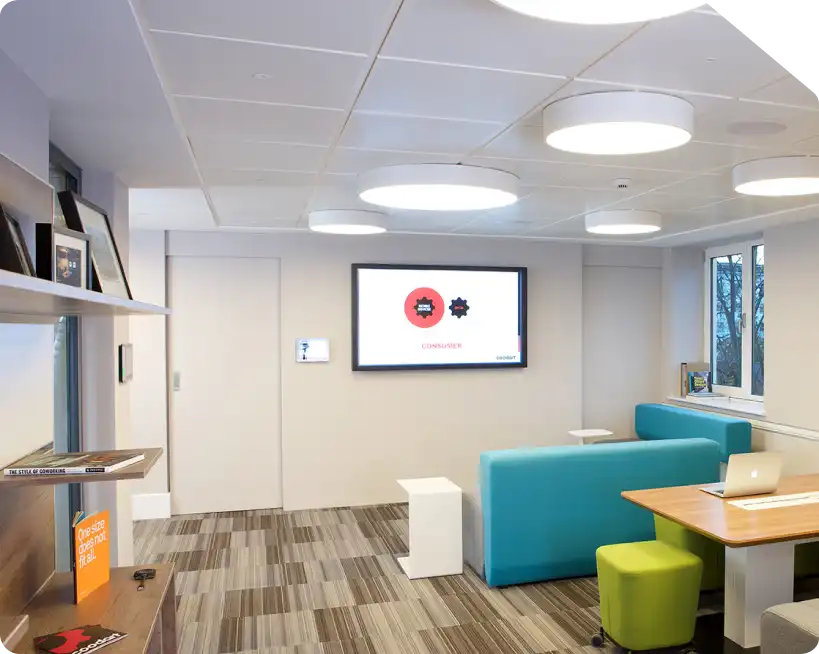
The project demonstrates how an intelligent lighting system can transform the way workplace environments operate. By combining LED lighting, smart sensors and data connectivity, the system automatically responds to occupancy, daylight and building conditions. The result is a workspace where lighting adapts dynamically to how the environment is used, improving efficiency while reducing energy consumption. Scenariio designed and delivered the intelligent lighting infrastructure supporting the system, creating a connected platform capable of integrating sensors, lighting controls and workplace technology.
Intelligent LED lighting with smart building sensors.
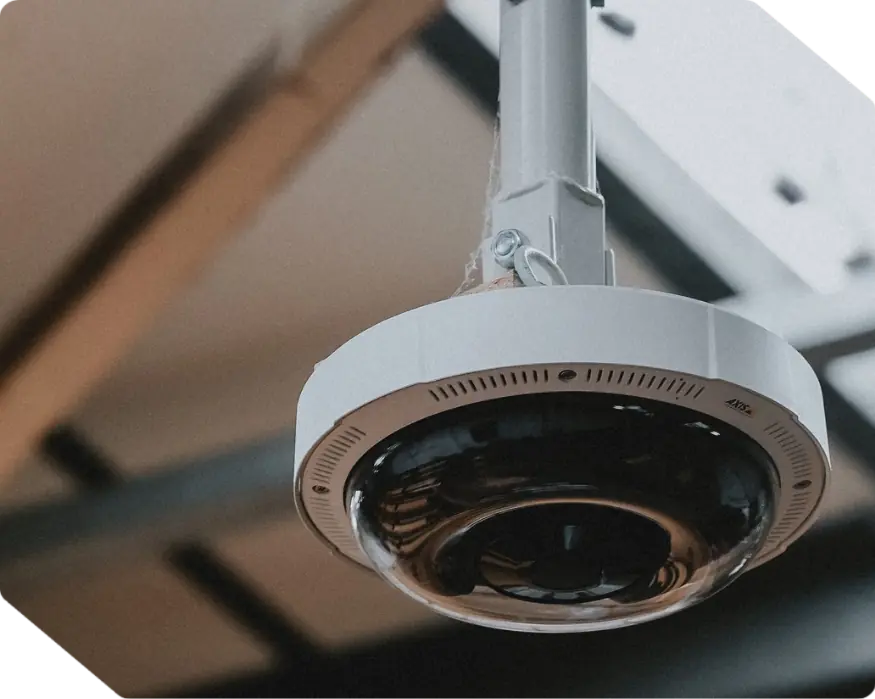
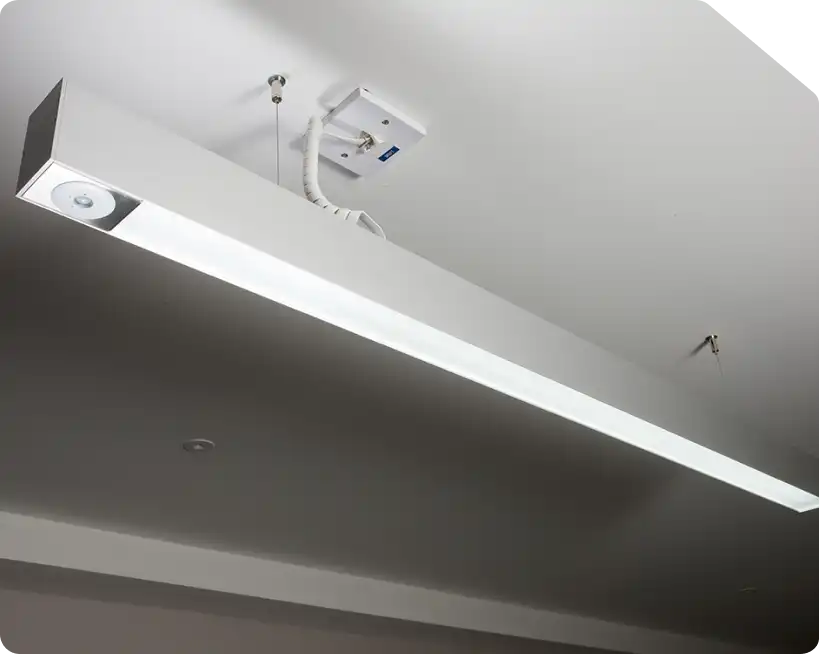
At the centre of the project is an intelligent LED lighting system supported by a network of 70 wtec smartengine sensors. The sensors continuously monitor occupancy, daylight levels, temperature and energy usage throughout the space. This environmental data allows the lighting system to automatically adjust in response to real-time conditions. Lighting levels reduce when sufficient natural daylight enters the workspace and activate only when occupancy is detected. This ensures lighting is used only where and when it is needed. The system creates a comfortable working environment while significantly reducing unnecessary energy consumption.

Technical fundamentals.
Project outcomes
- 100 intelligent LED lighting fixtures installed
- 70 wtec smartengine sensors deployed
- automated daylight and occupancy lighting control
- integrated lighting and AV system triggers
- approximately 75% reduction in lighting energy consumption
- 200 m² workspace demonstration environment
Smart lighting system architecture.
The intelligent lighting system operates through a combination of LED fixtures, sensor networks and structured data infrastructure. The installation uses SYSTIMAX® Category 6A cabling from CommScope, providing the high-performance connectivity required to support sensor data and lighting controls. Because the system operates over the building’s data network, lighting infrastructure can collect and share environmental data across the workspace. This architecture provides the scalability needed for future smart building technologies.
Integrated smart lighting and AV systems.
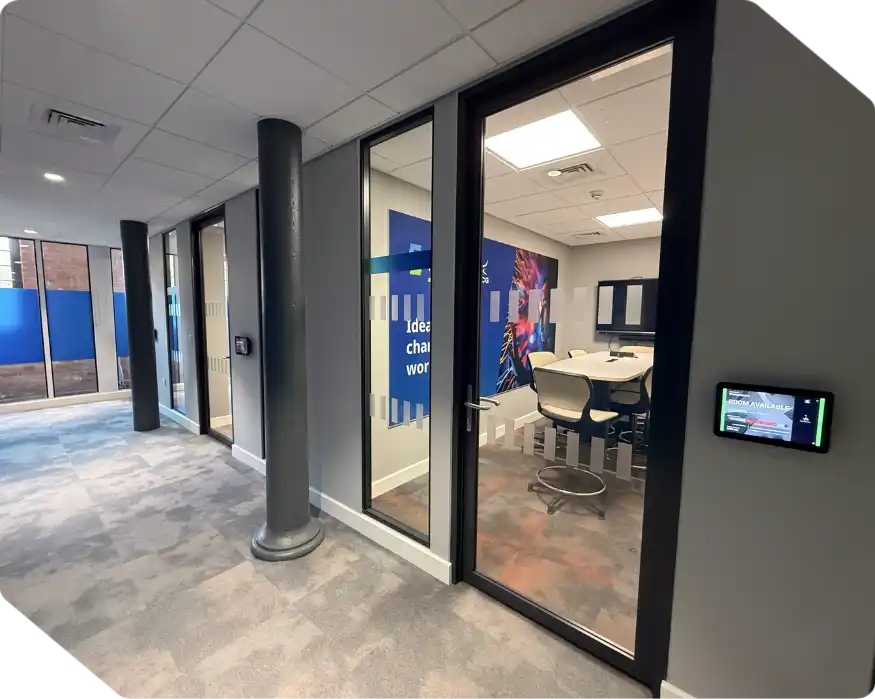
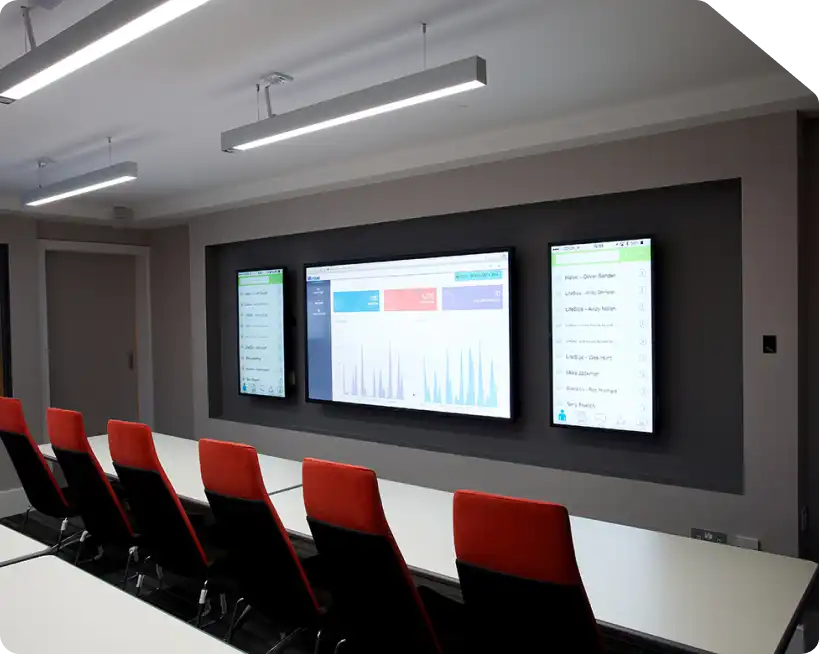
Lighting was integrated with the AV environment to create a connected workplace technology platform. Occupancy sensors can trigger AV systems, allowing meeting room equipment and displays to activate when spaces are in use and power down when rooms are empty. By connecting lighting and AV systems through a shared infrastructure, the workspace responds naturally to how the environment is used. This approach improves usability while reducing unnecessary system operation.
Energy savings through intelligent lighting.
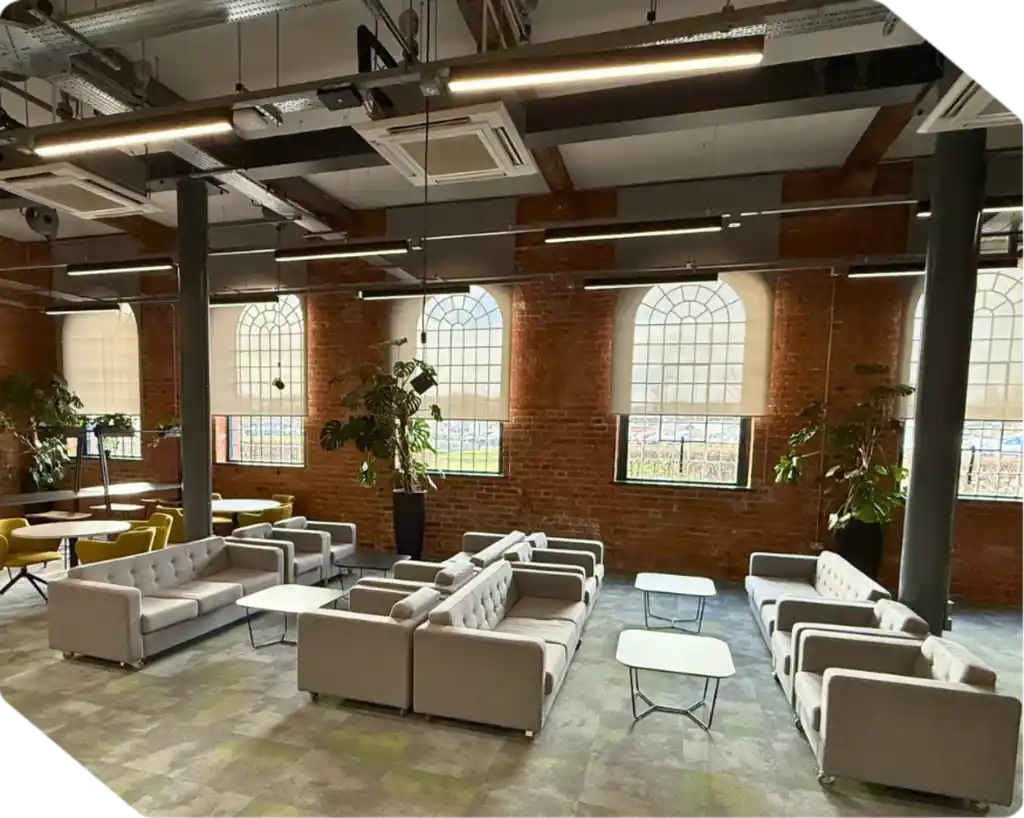
Energy efficiency was a key outcome of the project. The sensor network continuously detects daylight entering the workspace and automatically adjusts LED lighting levels to maintain consistent illumination. George Pritchard, Technical Director from Scenariio explains: "The sensors continuously monitor the amount of natural light entering the space.
When sufficient daylight is detected through windows and doors, the system automatically lowers the LED lighting levels. That is where the majority of the energy savings come from.On this project, the intelligent lighting system delivered energy savings of around 75%."
Lighting system specification.
The project implemented a sensor-driven intelligent lighting system supported by structured data infrastructure. System components
Key capabilities
Why intelligent lighting matters for workspaces.
Lighting is one of the largest contributors to energy consumption in commercial buildings. Traditional lighting systems often operate on fixed schedules or manual control. Intelligent lighting systems use sensors and automation to ensure lighting operates only when needed and at the correct level. By combining LED fixtures, smart sensors and connected infrastructure, organisations can improve efficiency while maintaining comfortable working environments. This approach also provides valuable data on how spaces are used, helping organisations optimise building performance.
FAQ section
An intelligent lighting system uses connected LED fixtures, sensors and automated controls to adjust lighting levels based on real-time conditions such as occupancy and daylight availability.
Smart lighting sensors detect movement, daylight levels and environmental conditions. This information allows the lighting control system to automatically adjust lighting levels to match how a space is being used.
Sensor-driven lighting systems can significantly reduce energy consumption. In this project, the intelligent lighting system achieved energy savings of approximately 75%.
Sensor-controlled lighting helps organisations reduce energy consumption, lower operating costs, improve workplace comfort and automate lighting management.
Yes. Intelligent lighting systems can integrate with workplace technologies such as AV systems, building management systems and occupancy analytics to create connected environments.